













The list below is for doing wet layup by hand and air curing, and does not cover supplies for resin infusion wet layup or curing using the vacuum bagging method.
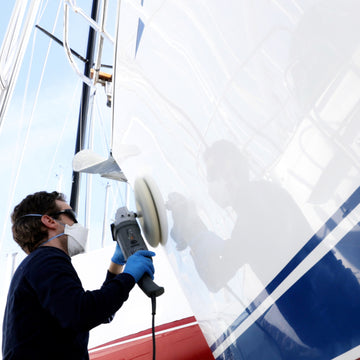
- Personal protection for sanding and working with epoxy, polyester, or vinyl ester resin systems – paint suit with hood, eye protection, a respirator with appropriate vapor/dust cartridges, and gloves
- For sanding, use large diameter sanding discs and a right angle grinder or sander, dustless, if possible
- Sandpaper and sanding blocks of various sizes for hand sanding in areas the power sander can’t fit into.
- Denatured alcohol or acetone for wiping surface down prior to layup
- Plastic mixing containers for mixing epoxy resin/ hardener, or polyester resin/MEKP catalyst
- A scale if measuring materials by weight
- A small plastic "grunge" cup or container for holding excess epoxy that is wiped off of the epoxy spreader
- Tongue depressors or wooden stir sticks for mixing purposes
- For protecting adjacent surfaces, use poly sheeting and masking tape – Solvent and water-resistant tape releases cleanly and lifts of easily, leaving no gummy residue
- Lint-free cleaning and wiping rags
- Stiff, natural bristle brushes and epoxy safe solvent-resistant foam rollers for wetting out cloth with resin
- Laminating rollers for consolidating fabric and releasing trapped air bubbles during wet layup
- Utility knife and blades for trimming excess or overlapped cloth and tape
- Flexible plastic spreaders for spreading and distributing resin
- Shears or electric scissors for cutting fiberglass and other laminates
- If laminating on a mold – a release agent, such as wax and PVA (polyvinyl alcohol) to expedite the removal of a composite laminate from the mold. If using a tabletop as a flat surface mold, cover the tabletop with plastic sheeting.
- Chip brushes
- A calculator – for estimating resin and laminant amounts
- (Optional) If doing a layup for a small fiberglass repair – acid brushes to apply epoxy resin and to smooth out any peel ply used to prevent amine blush, smooth the surface, and prevent air bubbles.
Comments
0 comments
Please sign in to leave a comment.